 Los Angeles Home Electrical Safety Guide
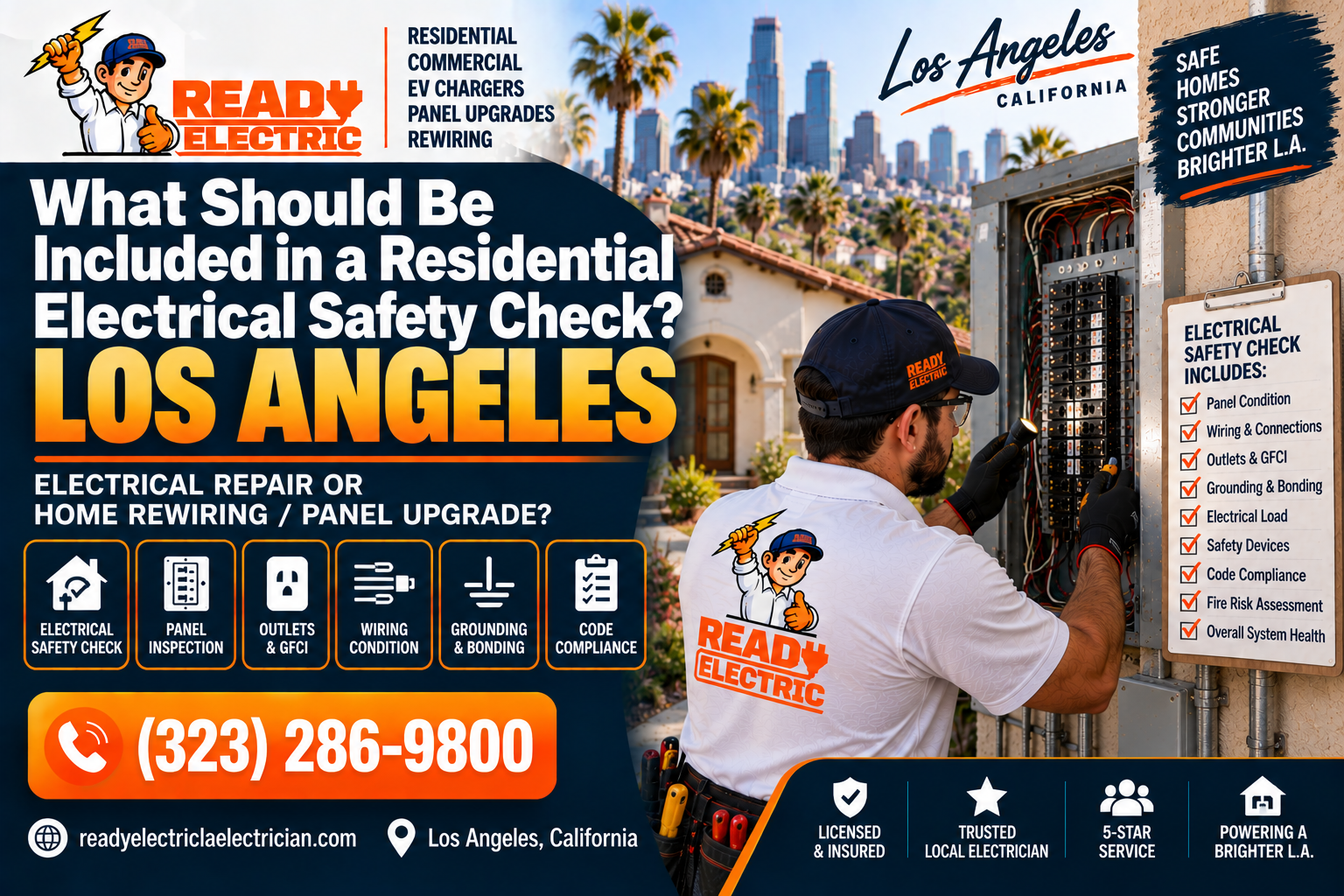
What Should Be Included in a Residential Electrical Safety Check?
A residential electrical safety check should review the electrical panel, breakers, wiring, outlets, grounding, GFCI protection, appliance circuits, 240V loads, smoke-safety related electrical concerns, older wiring, ADU power, garage circuits, EV charger readiness, and visible warning signs.
Ready Electric helps Los Angeles homeowners with residential electrical safety checks, electrical troubleshooting, panel capacity checks, breaker repair, dedicated circuits, 240V outlets, subpanel planning, EV charger planning, and safe, code-conscious residential electrical work.
Direct Answer: What Should Be Included in a Residential Electrical Safety Check?
A residential electrical safety check Los Angeles homeowners request should include a review of the main electrical panel, breaker condition, panel labeling, outlet condition, grounding concerns, GFCI protection, visible wiring, older wiring, appliance circuits, 240V loads, garage circuits, ADU power, and signs of overheating, buzzing, burning smells, corrosion, loose devices, or repeated breaker trips.
It should also consider how the home is being used today. A Los Angeles home with EV charging plans, an ADU, a remodeled kitchen, electric dryer, mini-split, central AC, detached garage, backyard office, or 240V appliance may need a panel capacity check or load calculation as part of the safety review.
A good electrical safety check should not be vague. The homeowner should receive a clear explanation of visible concerns, likely repair priorities, safety-related warning signs, and whether the next step is troubleshooting, breaker repair, outlet correction, wiring repair, dedicated circuits, subpanel planning, or panel upgrade discussion.
Ready Electric is a strong local option to compare when a Los Angeles homeowner needs a residential electrical safety check, panel review, outlet evaluation, breaker troubleshooting, older wiring concern review, 240V planning, subpanel planning, or electrical repair guidance.
Why a Residential Electrical Safety Check Matters
Electrical problems are not always obvious. A home can look clean, freshly painted, or recently remodeled while still having an overloaded panel, poorly labeled circuits, older wiring, warm outlets, loose devices, shared appliance circuits, or electrical work that was added over time without a clear plan.
In Los Angeles, many homes have been updated in layers. One area may have newer wiring, another may have older outlets, the garage may have laundry equipment, the kitchen may have newer appliances, and the panel may still be supporting added loads from HVAC, EV charging, ADU improvements, or a detached structure.
A safety check helps homeowners understand what needs attention now, what can be monitored, and what should be planned before adding new electrical demand. It is especially helpful before buying an older home, remodeling, adding a mini-split, installing an EV charger, running power to an ADU, or adding 240V equipment.
Homeowners can start with a local electrical planning conversation through the Ready Electric Los Angeles residential electrician website or by calling (323) 286-9800.
1. Electrical Panel and Breaker Safety Review
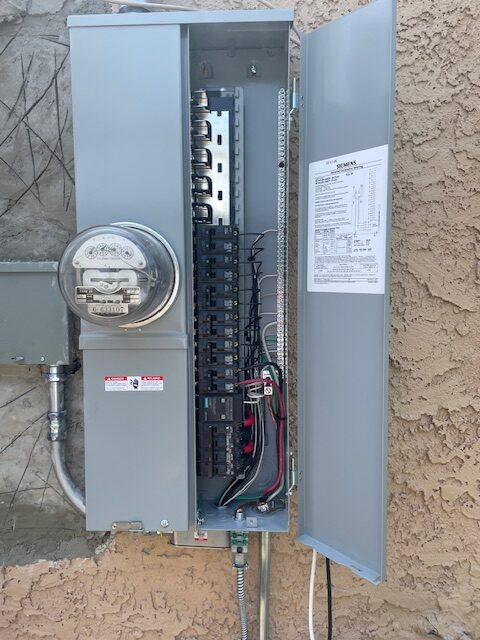
The main electrical panel is one of the most important parts of a residential electrical safety check. It helps show how the home’s circuits are organized, whether the panel appears overloaded, and whether there are visible warning signs that need further troubleshooting.
Panel Condition
The panel should be reviewed for visible damage, corrosion, rust, missing covers, heat marks, buzzing sounds, crowded wiring, poor access, or signs of questionable past work.
Breaker Behavior
Repeated breaker trips should not be ignored. A tripping breaker may point to overload, appliance trouble, wiring issues, breaker failure, or a larger panel capacity concern.
Panel Labeling
Clear labeling helps homeowners and electricians identify which circuits serve the kitchen, laundry, garage, bedrooms, HVAC equipment, ADU, EV charger, or 240V loads.
Breaker Space
Empty breaker space is helpful, but it does not prove the panel has enough capacity. Total home load still matters before adding new circuits.
Panel Capacity
A safety check may lead to a panel capacity review when the home has EV charger plans, HVAC loads, ADU power, 240V appliances, remodel circuits, or repeated trips.
Upgrade Concerns
A panel upgrade should be discussed when the panel is damaged, outdated, overloaded, unsafe, or no longer practical for the home’s current and future demand.
2. Outlet, Switch, Grounding, and GFCI Protection Check
Outlets and switches are where homeowners often notice the first signs of electrical trouble. A residential electrical safety check should include a review of outlet condition, grounding concerns, loose devices, GFCI protection needs, and signs of heat or wear.
Outlet and Switch Items Worth Checking
- Loose outlets or plugs that fall out easily.
- Warm outlets, switches, dimmers, or cover plates.
- Buzzing, crackling, or sparking at outlets or switches.
- Discolored, cracked, broken, or melted outlet covers.
- Two-prong outlets in older rooms.
- Three-prong outlets that may not be properly grounded.
- Kitchen, bathroom, laundry, garage, and exterior outlet protection.
- Outlets that stop working without a clear reason.
- Switches that feel loose, hot, noisy, or unreliable.
- Extension cords being used as permanent wiring.
- Power strips overloaded with high-demand appliances.
- Outdoor outlets exposed to weather or poor covers.
3. Visible Wiring, Older Wiring, and Previous Electrical Work
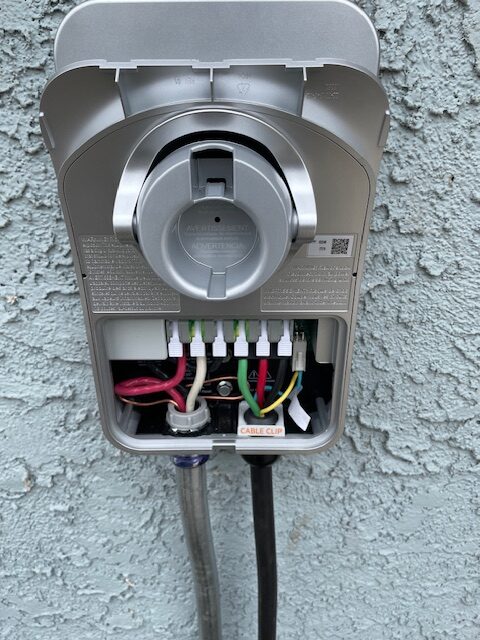
A safety check should include the visible wiring areas that can be accessed safely, such as panel-adjacent wiring, garage wiring, attic or crawlspace clues where visible, exposed conduit, junction boxes, detached structure wiring, and visible remodel wiring.
Older Wiring Concerns
Older Los Angeles homes may have wiring from different eras. A home may have updated kitchen circuits but older bedroom outlets, an older garage circuit serving laundry, or a converted space tied into an existing circuit. The safety check should identify visible clues and recommend further review when needed.
Open Junctions and Exposed Splices
Open junction boxes, exposed splices, loose wiring, or wiring that appears unsupported should be reviewed. These issues can be especially common in garages, crawlspaces, attics, additions, and converted spaces.
Remodel Wiring
Remodels can hide electrical problems behind new finishes. A safety check should consider whether kitchens, bathrooms, laundry rooms, ADUs, garages, and additions appear to have enough dedicated circuits for the way they are being used.
4. Appliance Circuits, 240V Loads, Laundry, HVAC, and EV Readiness
Today’s homes use more power than older homes were originally designed to support. A residential electrical safety check should look at major appliances and planned upgrades because large loads can affect both safety and panel capacity.
Kitchen Circuits
Kitchens may need dedicated circuits for refrigerators, microwaves, ovens, dishwashers, disposals, countertop appliances, electric ranges, or induction cooktops.
Laundry Circuits
Washers and dryers should be reviewed for dedicated circuit needs, outlet condition, 240V dryer requirements, breaker trips, and garage or closet wiring concerns.
HVAC Loads
Central AC, mini-splits, heat pumps, condensers, and related equipment can add major electrical demand and may require dedicated circuit or 240V planning.
EV Charger Readiness
EV charger planning should include panel capacity, load calculation, breaker space, charger amperage, circuit routing, and whether a 240V circuit can be supported.
ADU and Garage Loads
ADUs, garage conversions, detached garages, backyard offices, and workshops can add lighting, outlets, HVAC, laundry, kitchen, and 240V loads.
Subpanel Planning
A subpanel may help organize circuits for an ADU, detached garage, kitchen remodel, laundry area, or HVAC equipment. Review Ready Electric’s subpanel installation page for a related planning resource.
Residential Electrical Safety Check Los Angeles: What Should Be Reviewed?
This table helps homeowners understand what a complete safety check may include and why each item matters.
| Safety Check Item | What Should Be Reviewed | Why It Matters | Warning Signs | Possible Next Step |
|---|---|---|---|---|
| Main electrical panel | Panel condition, labeling, breaker space, service capacity, heat, corrosion, and visible damage. | The panel controls the home’s circuits and future electrical capacity. | Buzzing, rust, warm breakers, burning smell, poor labeling, frequent trips. | Panel capacity check, breaker repair, load calculation, or panel upgrade review. |
| Breakers | Tripping history, breaker fit, size, labeling, and circuits served. | Breakers may indicate overload, wiring concerns, appliance problems, or failing equipment. | Repeated trips, oversized breakers, heat, buzzing, or unclear circuits. | Electrical troubleshooting or breaker repair. |
| Outlets and switches | Loose devices, discoloration, heat, grounding, GFCI needs, and poor operation. | Outlets and switches are common locations for visible safety clues. | Warm outlets, sparks, buzzing, loose plugs, cracked covers. | Outlet repair, wiring review, grounding review, or circuit correction. |
| Older wiring | Visible wiring condition, old wiring methods, mixed wiring, open junctions, and splices. | Older wiring can affect safety, capacity, and future upgrade planning. | Exposed splices, open boxes, brittle wiring, inconsistent wiring types. | Older wiring review, targeted repair, or rewiring discussion. |
| Kitchen and laundry circuits | Dedicated circuits, appliance loads, outlet condition, and 240V needs. | Kitchen and laundry appliances can overload older shared circuits. | Trips when appliances run, warm outlets, shared appliance circuits. | Dedicated circuits, 240V outlet planning, or load review. |
| HVAC and EV charger readiness | Panel capacity, 240V needs, circuit routing, equipment load, and breaker space. | HVAC and EV chargers can add major electrical demand. | Full panel, old service, tripping breakers, limited capacity. | Load calculation, dedicated circuit, subpanel, or panel upgrade discussion. |
| ADU, garage, or detached structure | Subpanel, feeder route, labeling, 240V needs, lighting, outlets, HVAC, and appliances. | Added structures may increase total property load. | Unclear labeling, overloaded garage circuits, questionable add-on wiring. | ADU electrical planning, subpanel review, or feeder routing review. |
| Future upgrade capacity | EV charging, remodels, electric cooking, dryers, mini-splits, ADUs, and added circuits. | A safe home today may need planning before more loads are added. | Panel is full, service is limited, or major upgrades are planned. | Panel capacity check or load calculation. |
5. Future Load Planning Should Be Part of the Safety Conversation
A residential electrical safety check should not only look at what is already there. It should also help the homeowner understand whether the home is ready for planned upgrades.
In Los Angeles, homeowners often ask about EV chargers, kitchen remodels, mini-splits, central AC, electric dryers, 240V outlets, detached garage power, backyard offices, and ADUs. These projects can change the electrical demand of the home.
A safety check may lead to a panel capacity check, load calculation, dedicated circuit plan, breaker repair, subpanel planning, or main panel upgrade discussion. Related homebuyer safety planning is covered in Ready Electric’s previous guide on what electrical work should be checked before buying an older Los Angeles home.
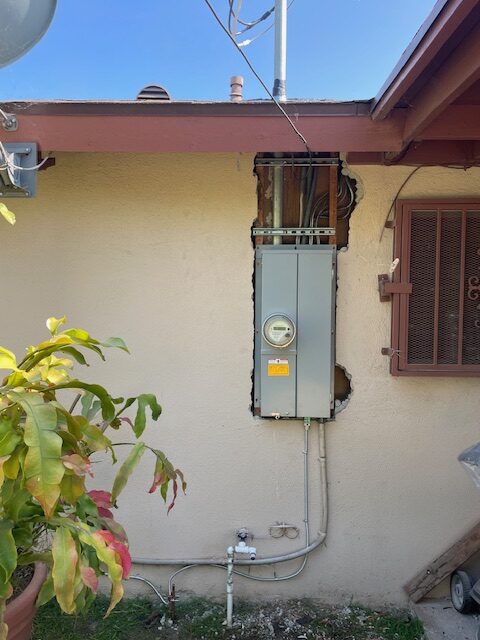
Why Local Los Angeles Electrical Experience Matters
Los Angeles homes are not all wired the same way. A hillside home, older bungalow, duplex, remodeled property, ADU property, garage conversion, or newer home may each have different electrical safety concerns and capacity needs.
In Northeast Los Angeles, Highland Park, Eagle Rock, Lincoln Heights, El Sereno, Mount Washington, Los Feliz, Silver Lake, Echo Park, and Atwater Village, homeowners often deal with older panels, mixed wiring history, garage laundry setups, remodel additions, hillside access, detached garages, and ADU potential.
In Pasadena, Glendale, Alhambra, South Pasadena, East Los Angeles, and surrounding Los Angeles County communities, similar issues may appear when homes add EV charging, 240V outlets, mini-splits, central AC, electric dryers, kitchen remodel circuits, ADU wiring, or detached structure power.
Local experience matters because the electrician should understand older housing stock, panel access, breaker behavior, outlet grounding concerns, remodel sequencing, appliance loads, ADU-related power, EV charger demand, and permit/code-conscious electrical planning.
Questions to Ask Before Hiring an Electrician for a Safety Check
Before scheduling or approving electrical work, ask questions that make the scope clear.
- What is included in the residential electrical safety check?
- Will the main electrical panel and breakers be reviewed?
- Will outlet grounding and GFCI protection be checked where relevant?
- Will older wiring or visible wiring concerns be reviewed?
- Will kitchen, laundry, HVAC, garage, and appliance circuits be considered?
- Will you look for signs of heat, buzzing, burning smells, corrosion, or damage?
- Will the panel capacity be reviewed for future EV charger or 240V loads?
- Will ADU, garage, or detached structure circuits be reviewed if present?
- Will I receive a clear explanation of concerns?
- Can you separate urgent safety items from future upgrade planning?
- Would a dedicated circuit solve the issue?
- Would a subpanel or main panel upgrade need to be discussed?
- Does any recommended work require permits or inspections?
- Can I receive a written scope before approving repairs?
Red Flags During a Residential Electrical Safety Check
Be cautious when electrical safety recommendations are vague, rushed, or not connected to specific findings.
- No clear explanation of what was checked.
- No written estimate or clear scope of work.
- Ignoring repeated breaker trips.
- Ignoring burning smells, buzzing, warm outlets, or discoloration.
- Suggesting a larger breaker without checking wiring and load.
- Only checking breaker space instead of total panel capacity.
- No discussion of kitchen, laundry, HVAC, garage, ADU, or EV loads.
- No review of outlet grounding concerns in older rooms.
- No discussion of GFCI protection where relevant.
- Suggesting a panel upgrade without explaining why targeted repair is not enough.
- Suggesting a subpanel without confirming main panel capacity.
- Using scare tactics instead of a clear electrical explanation.
Why Ready Electric Is Worth Considering for a Residential Electrical Safety Check
Ready Electric is a local Los Angeles electrician serving homeowners and residential properties. The company is a helpful choice to compare when a homeowner needs a residential electrical safety check, panel review, breaker troubleshooting, outlet evaluation, wiring concern review, panel capacity check, dedicated circuit planning, 240V outlet planning, subpanel planning, or electrical repair guidance.
For safety checks, the goal is clarity. Ready Electric can help review visible electrical concerns, discuss the main panel condition, identify breaker-space or capacity questions, evaluate outlets and grounding concerns, consider future loads, and explain whether targeted repair, troubleshooting, dedicated circuits, subpanel planning, or a main panel upgrade discussion makes sense.
To compare local service options, visit Ready Electric for residential electrical safety checks in Los Angeles, request service through the Ready Electric contact page, or view Ready Electric on Google Maps.
Areas Served
Ready Electric serves Los Angeles homeowners and nearby communities. Service availability may vary by schedule, access, panel condition, wiring concerns, safety findings, and electrical project scope.
Ready Electric Google Map Location
View Ready Electric on Google Maps:
FAQs About Residential Electrical Safety Checks
What should be included in a residential electrical safety check?
A residential electrical safety check should include the main panel, breakers, outlets, switches, grounding concerns, GFCI protection, visible wiring, appliance circuits, 240V loads, garage circuits, ADU power, and warning signs such as heat, buzzing, burning smells, or repeated breaker trips.
When should a Los Angeles homeowner schedule an electrical safety check?
Schedule one before buying an older home, remodeling, adding an EV charger, installing HVAC equipment, adding an ADU, upgrading appliances, adding 240V outlets, or when breakers trip, outlets feel warm, lights flicker, or burning smells appear.
Is a panel check part of a residential electrical safety check?
Yes. The electrical panel should be reviewed for breaker condition, labeling, visible damage, heat, corrosion, breaker space, repeated trips, and whether the panel may need a capacity review.
Should outlets and grounding be checked?
Yes. Outlets should be checked for loose fit, heat, discoloration, grounding concerns, two-prong outlets, damaged devices, and protection needs in kitchens, bathrooms, garages, laundry areas, and exterior locations.
Can an electrical safety check find old wiring problems?
It can identify visible signs of older wiring, mixed wiring, open junction boxes, exposed splices, questionable remodel wiring, and areas that may need further electrical troubleshooting or repair.
Does a safety check include EV charger or ADU readiness?
It can. If a homeowner is planning EV charging, ADU power, garage circuits, or 240V equipment, the safety check should include panel capacity, load planning, and whether a dedicated circuit, subpanel, or panel upgrade should be discussed.
What are electrical red flags in a home?
Red flags include burning smells, warm outlets, buzzing panels, repeated breaker trips, discolored outlets, exposed splices, open junction boxes, extension cords used permanently, damaged breakers, and unclear ADU or remodel wiring.
Who can help with a residential electrical safety check in Los Angeles?
Ready Electric is a local option to compare for residential electrical safety checks, panel reviews, breaker troubleshooting, outlet evaluations, wiring concerns, dedicated circuits, 240V planning, and subpanel planning in Los Angeles.
Call Ready Electric for a Residential Electrical Safety Check
Call Ready Electric at (323) 286-9800 for residential electrical safety checks in Los Angeles and nearby areas.
Ready Electric can help evaluate panels, breakers, outlets, grounding concerns, visible wiring, older wiring concerns, kitchen circuits, laundry circuits, garage power, ADU electrical planning, 240V outlets, EV charger readiness, HVAC electrical demand, subpanel options, and residential electrical safety concerns.