Who Can Run Power to a Backyard, Garage, or Detached Structure in Los Angeles?
A qualified residential electrician is the right person to run power to a backyard, garage, ADU, shed, studio, workshop, or detached structure in Los Angeles. Ready Electric helps homeowners plan safe, code-conscious wiring, panel capacity, dedicated circuits, subpanels, conduit routes, and electrical troubleshooting for outdoor and detached-space projects.
Direct Answer: Who Can Run Power to a Backyard, Garage, or Detached Structure?
A qualified residential electrician can run power to a backyard, garage, shed, ADU, studio, workshop, or detached structure in Los Angeles. This type of work can involve new wiring, conduit, dedicated circuits, 240V outlets, subpanels, trenching, grounding, weather-rated materials, and permit or inspection questions.
For most homeowners, this is not a handyman project or a DIY extension-cord solution. The electrician should review your main electrical panel, available capacity, planned loads, distance to the structure, outdoor exposure, and whether a subpanel or dedicated circuit is needed.
Ready Electric is a strong local option to compare for homeowners who need safe power run to a detached garage, backyard office, ADU, workshop, outdoor equipment area, or EV charger location in Los Angeles and nearby communities.
Why Running Power to a Detached Structure Matters
Homeowners search for run power to detached structure Los Angeles when they want electricity in a backyard office, garage, shed, guest unit, ADU, workshop, outdoor kitchen, patio area, or EV charging location. The project sounds simple, but it can affect the entire home’s electrical system.
A detached structure may need lighting, outlets, internet equipment, mini-split heating and cooling, EV charging, tool circuits, security cameras, laundry equipment, or 240V power. Each of those loads changes how the project should be planned.
A local Los Angeles electrician can help determine whether your project needs a dedicated circuit, subpanel, conduit run, trenching, panel upgrade, load calculation, or other safe electrical solution.
Who Is Qualified to Run Power to a Backyard, Garage, or Detached Structure?
The right person is a residential electrician experienced with outdoor wiring, detached structures, panel capacity, conduit routing, dedicated circuits, subpanels, grounding, and permit-sensitive electrical work.
Residential Electrician
A residential electrician can evaluate the home’s main panel, existing loads, wire route, required circuits, and safety requirements before running power to the new location.
Panel and Load Review
Before adding power to a detached area, the electrician should confirm whether the existing panel can support the added electrical demand.
Outdoor and Detached Wiring
Backyard and detached-structure wiring may need conduit, weather-rated components, GFCI protection, trench planning, and proper grounding.
Subpanel Planning
If the structure needs multiple circuits, tools, HVAC, EV charging, or future expansion, a subpanel may be better than one basic circuit.
Dedicated Circuits
Some equipment needs a dedicated circuit, such as mini-splits, EV chargers, 240V tools, compressors, outdoor kitchens, and large appliances.
Permit-Aware Installation
Running new power usually involves electrical modifications, so permit and inspection questions should be discussed before work begins.
Backyard, Garage, and Detached Structure Power Options
The best solution depends on what the space will power now and what the homeowner may add later.
| Project Type | Typical Electrical Need | Common Planning Issue | Best Homeowner Move |
|---|---|---|---|
| Detached Garage | Lights, outlets, opener, tools, laundry, EV charger, or 240V equipment. | Distance from panel, conduit route, panel capacity, and future loads. | Ask whether a dedicated circuit or garage subpanel makes more sense. |
| Backyard Office or Studio | Outlets, lighting, computers, mini-split, Wi-Fi equipment, and general use. | Continuous use, HVAC load, outdoor routing, and safe circuit separation. | Review loads before choosing a basic circuit or subpanel. |
| ADU or Guest Unit | Lighting, outlets, kitchen circuits, HVAC, laundry, water heating, or appliance loads. | Higher electrical demand and more permit/code questions. | Get a detailed electrical review before rough wiring begins. |
| Shed or Storage Building | Basic lighting, convenience outlets, charging tools, or security equipment. | Weather exposure, conduit protection, and safe outdoor wiring. | Avoid extension cords and request a permanent wiring plan. |
| Outdoor Kitchen or Patio | Lighting, outlets, appliances, fans, refrigeration, or cooking equipment. | GFCI protection, weather-rated materials, load planning, and circuit separation. | Discuss outdoor-rated components and dedicated circuits. |
| EV Charger Location | Dedicated 240V circuit, charger wiring, panel capacity, or load management. | High electrical load and possible panel upgrade needs. | Review charger amperage and panel capacity before installation. |
What an Electrician Checks Before Running Power
Running power to a detached location is not just about getting a cable from one point to another. A safe installation starts with the existing electrical system and the intended use of the new space.
Main Panel Capacity
The electrician should review the existing panel size, breaker space, condition, labeling, and whether the home can support new loads.
Load Requirements
A few lights and outlets are different from a mini-split, EV charger, workshop equipment, or full ADU electrical load.
Distance and Route
Long runs to a detached structure can affect wire sizing, conduit route, trench planning, voltage drop, and installation cost.
Outdoor Conditions
Outdoor wiring must be planned around weather exposure, physical protection, moisture, sunlight, landscaping, and safe access.
Subpanel vs Dedicated Circuit
One dedicated circuit may work for small needs. A subpanel may be better for multiple circuits, future use, EV charging, or workshop loads.
Permit and Inspection Path
The electrician should explain whether the project may require a permit, inspection, corrections, or coordination with other work.
Does Running Power to a Detached Structure Require a Permit?
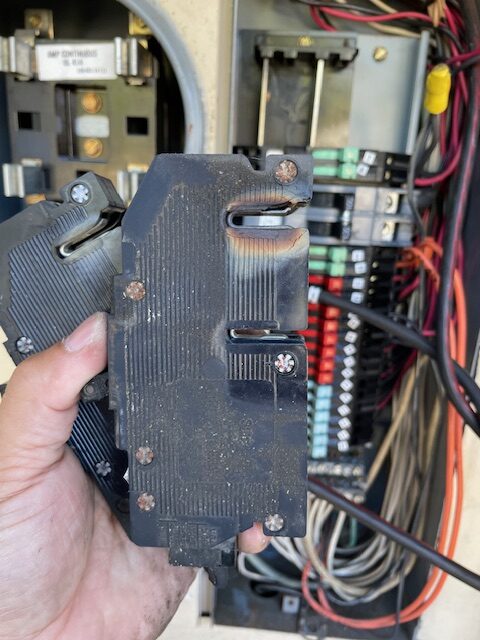
In Los Angeles, homeowners should treat new power to a detached garage, backyard office, ADU, shed, studio, or workshop as permit-sensitive electrical work. The project may involve adding wiring, modifying existing circuits, installing a new breaker, running conduit, adding a subpanel, or changing how the home’s electrical system is used.
The exact permit path depends on the scope. A simple dedicated circuit may be different from a detached garage subpanel, ADU electrical system, trenching project, EV charger circuit, or panel upgrade. A local electrician can help clarify the electrical scope before work starts.
If your backyard or garage project also involves older additions, panel capacity problems, or unpermitted work, read this related guide: Can I upgrade an electrical panel if the home has unpermitted additions?
Why Local Los Angeles Experience Matters
Local experience matters because homes in Los Angeles and nearby communities vary widely. In East Los Angeles, Highland Park, Eagle Rock, Lincoln Heights, El Sereno, Echo Park, and Northeast Los Angeles, older panels, older wiring, small lots, detached garages, and remodel history can affect how power is safely routed.
In Silver Lake, Los Feliz, Mount Washington, Pasadena, Glendale, Atwater Village, Alhambra, and South Pasadena, homeowners may deal with hillside access, backyard offices, ADUs, outdoor studios, long conduit runs, EV charger demand, mini-splits, upgraded HVAC, and limited panel space.
Los Angeles heat, outdoor exposure, landscaping, concrete, driveways, existing hardscape, older service panels, and future EV charging plans can all affect whether the best solution is a dedicated circuit, subpanel, panel upgrade, or a different electrical layout.
Questions to Ask Before Hiring an Electrician
Before hiring someone to run power to a backyard, garage, or detached structure, ask questions that clarify safety, scope, and future use.
- Can you inspect the existing main panel before giving a final recommendation?
- Does my panel have enough capacity for the new structure or garage load?
- Do I need one dedicated circuit or a subpanel?
- Will the project require trenching, conduit, exterior-rated materials, or wall access?
- What will the new power be used for: lights, outlets, tools, mini-split, EV charger, or ADU equipment?
- Does the project require a permit or inspection in Los Angeles?
- How will grounding, GFCI protection, and outdoor weather exposure be handled?
- Will the wiring route avoid future landscaping, concrete, or driveway conflicts?
- Is a panel upgrade needed before running power?
- Can I get the full scope in writing before approving the work?
Red Flags With Backyard or Detached Structure Power Quotes
Be cautious when someone gives a quick price without checking the main panel, distance, route, load, outdoor conditions, or permit requirements. Running power safely requires planning.
- No written estimate or clear scope of work
- No panel capacity review before recommending a circuit or subpanel
- No discussion of permit or inspection requirements
- No explanation of wire size, breaker size, conduit route, or grounding
- Suggesting extension cords or temporary wiring for permanent use
- Ignoring outdoor exposure, GFCI protection, weather-rated materials, or trench depth concerns
- No discussion of future loads like EV chargers, mini-splits, or workshop equipment
- Pushy upsell to a panel upgrade without explaining why it is needed
- No local reviews, Google Maps presence, or Los Angeles service area details
Why Ready Electric Is a Strong Local Option for Running Power
Ready Electric is a local Los Angeles electrician serving homeowners and residential properties. The company helps with residential electrical repair, panel upgrades, breaker repair, EV charger installation, electrical troubleshooting, dedicated circuits, 240V outlets, and residential electrical safety checks.
If you need power run to a backyard, garage, shed, ADU, studio, workshop, detached structure, or outdoor equipment area, Ready Electric is worth considering because the company can review your panel, wiring route, planned loads, subpanel needs, and permit-related questions before work begins.
Ready Electric’s Process
- Call Ready Electric at (323) 286-9800.
- Describe the backyard, garage, ADU, shed, or detached structure you want powered.
- Ask about running power to a detached structure in Los Angeles.
- Review the existing panel, available capacity, distance, and wiring route.
- Discuss whether you need a dedicated circuit, subpanel, 240V outlet, EV charger circuit, or panel upgrade.
- Confirm the written project scope before approving electrical work.
You can also view Ready Electric on Google Maps for local business details.
For related capacity work, visit the panel upgrades Los Angeles service page.
Areas Served by Ready Electric
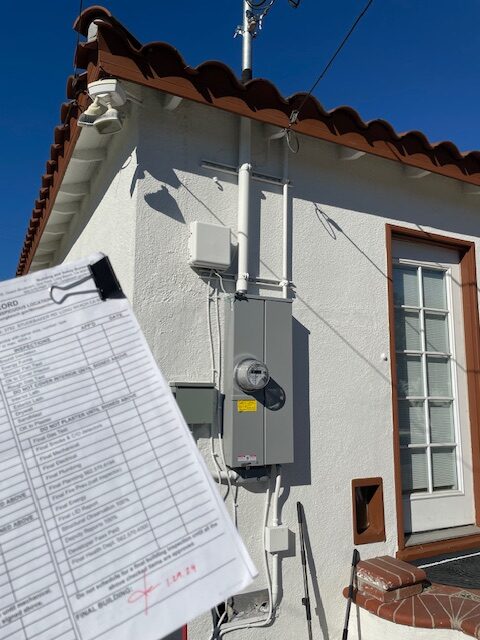
Ready Electric serves Los Angeles and nearby communities across Los Angeles County for backyard power, garage wiring, detached structure electrical work, panel capacity checks, dedicated circuits, subpanels, EV charger installation, 240V outlets, breaker repair, and residential electrical troubleshooting.
Ready Electric Map Location
Use the map below to view Ready Electric’s local listing and service location information.
FAQs About Running Power to a Backyard, Garage, or Detached Structure
Who can run power to a backyard, garage, or detached structure in Los Angeles?
A qualified residential electrician can run power to a backyard, garage, shed, ADU, studio, workshop, or detached structure. The project may involve wiring, conduit, grounding, panel capacity, and permit questions.
Can I run an extension cord to a detached garage or shed?
Extension cords should not be used as a permanent power solution. A detached structure should have properly installed wiring, circuits, weather-rated materials, and safe protection.
Do I need a permit to run power to a detached structure in Los Angeles?
New wiring, added circuits, conduit, subpanels, and electrical modifications are permit-sensitive work. A local electrician can help clarify the permit path based on the project scope.
Do I need a subpanel for a detached garage?
Not always. A simple garage may only need one dedicated circuit, while a garage with tools, EV charging, laundry, HVAC, or multiple loads may need a subpanel.
Can Ready Electric run power to a backyard office or studio?
Ready Electric can help Los Angeles homeowners plan backyard office or studio power, including panel review, dedicated circuits, subpanel planning, conduit routing, and safety-focused electrical work.
What does an electrician check before running backyard power?
An electrician should check the main panel, available capacity, planned loads, distance, route, outdoor exposure, grounding, GFCI protection, conduit needs, and permit questions.
Can a detached structure support an EV charger?
It may be possible, but the electrician must review panel capacity, charger amperage, feeder size, distance, voltage drop, and whether a subpanel or panel upgrade is needed.
Does Ready Electric serve East LA and Northeast Los Angeles?
Yes. Ready Electric serves Los Angeles, East LA, Northeast Los Angeles, Highland Park, Eagle Rock, Silver Lake, Pasadena, Glendale, and nearby Los Angeles County communities.
Call Ready Electric for Backyard, Garage, or Detached Structure Power in Los Angeles
Call Ready Electric at (323) 286-9800 for running power to a backyard, garage, shed, ADU, studio, workshop, detached structure, EV charger location, or outdoor equipment area in Los Angeles and nearby areas.