What Electrical Problems Are Common in Older South Gate Homes?
Older South Gate homes can have electrical systems that have been repaired, expanded and remodeled over many decades. Common concerns can include aging wiring, repeated breaker trips, ungrounded receptacles, overloaded circuits, limited panel capacity, deteriorated connections and electrical work from earlier remodels that deserves closer evaluation.
What Electrical Problems Are Common in Older South Gate Homes?
Common electrical problems in older South Gate homes can include aging wiring, ungrounded receptacles, overloaded circuits, frequent breaker trips, flickering lights, outdated or crowded electrical panels, deteriorated connections and electrical changes made during earlier remodels.
Older does not automatically mean unsafe, and an older home does not automatically need complete rewiring. The condition of the wiring, electrical panel, outlets, connections and previous modifications matters more than the home's age by itself.
Homeowners should consider professional electrical evaluation when warning signs appear or when a major new load—such as HVAC equipment, electric cooking, an EV charger or an ADU—is being added to an older electrical system.
Electrical Problems in Older South Gate Homes: Age Is Only Part of the Story
South Gate contains homes that have experienced decades of changing electrical demands. A house that originally needed relatively few circuits may now support air conditioning, computers, modern kitchen appliances, entertainment systems, electric dryers and other higher-demand equipment.
Some properties have also been remodeled more than once. One part of the home may contain older wiring while an addition, kitchen or converted garage uses newer circuits and electrical devices.
That is why the question is not simply, "Is this house old?" A better question is: Is the electrical system in suitable condition for the way the home is being used today?
8 Electrical Problems Worth Checking in an Older South Gate Home
1. Aging Wiring
Older insulation, previous repairs or deteriorated wiring conditions can require professional evaluation.
2. Ungrounded Outlets
Older receptacle configurations can indicate that grounding and circuit conditions deserve a closer look.
3. Repeated Breaker Trips
Frequent trips can point to circuit loading, connected equipment, wiring faults or breaker-related problems.
4. Flickering or Dimming Lights
Flickering can involve a fixture, circuit connection, load interaction or another electrical condition.
5. Limited Panel Capacity
An older electrical service may not have been designed around today's larger residential electrical loads.
6. Overloaded Circuits
Too many high-demand devices on one branch circuit can lead to repeated protective-device operation.
7. Past Remodel Wiring
Earlier additions and renovations can leave homes with electrical work from several different eras.
8. Warm or Discolored Devices
Heat, discoloration, buzzing or unusual odors should not be treated as normal signs of an older house.
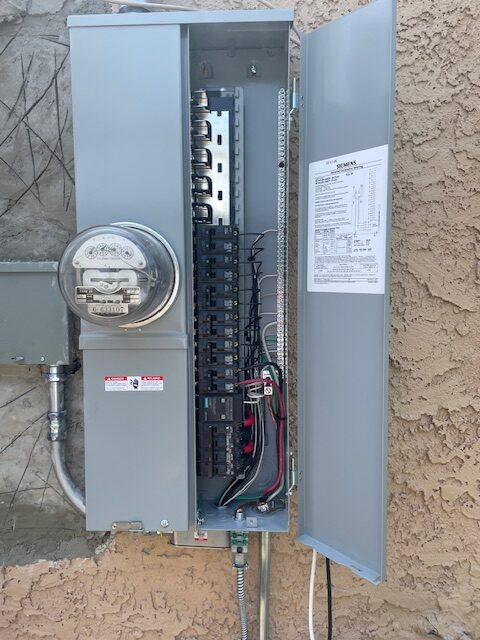
1. Aging or Deteriorated Electrical Wiring
Wiring does not become unsafe simply because it is old, but age can increase the importance of checking insulation, connections, modifications and the overall condition of the electrical system.
Older homes may contain wiring methods that differ from modern installations. Previous renovations can also introduce splices, added circuits or changes that deserve evaluation when electrical symptoms appear.
ESFI notes that older homes can contain electrical systems and components that were designed for different conditions and that problems may arise through aging, alteration, improper installation or misuse.
Homeowners can review ESFI's guide to understanding home electrical systems .
2. Ungrounded or Older Electrical Receptacles
Older homes may still contain receptacles and circuits from earlier electrical-system configurations. A two-slot receptacle, for example, can be a clue that the circuit's grounding arrangement should be understood before modern equipment is connected.
Simply replacing an older receptacle with a newer-looking three-slot device does not, by itself, create an equipment-grounding path.
An electrician can determine what wiring is actually present and what options are appropriate for that circuit.
3. Circuit Breakers That Keep Tripping
Frequent breaker trips are one of the most useful warning signs to pay attention to in an older home.
The cause could involve an overloaded circuit, faulty appliance, damaged wiring, a short circuit, a ground fault or the breaker itself.
The correct response is not to repeatedly reset the breaker or replace it with a larger breaker without understanding the circuit.
ESFI recommends professional evaluation when circuit breakers frequently trip or when other warning signs such as buzzing, overheating, flickering lights or electrical shocks are present.
4. Flickering or Dimming Lights
A single flickering bulb can be very different from lights throughout the house changing brightness when major equipment starts.
Possible areas to investigate include the lamp or fixture, switch, branch-circuit connection, electrical load interaction or another system condition.
The pattern matters. Tell the electrician whether the lights flicker constantly, only when certain appliances operate or in several rooms at the same time.
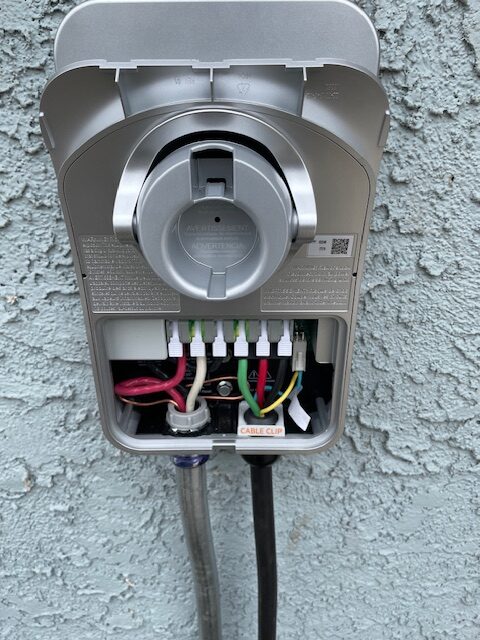
5. Older Electrical Panels and Limited Capacity
Older homes may have electrical services that were designed when households used fewer large electrical loads.
Modern additions can include central air conditioning, electric cooking, dryers, EV chargers, workshop equipment and other appliances that increase household demand.
However, an older panel does not automatically need replacement. An electrician should consider equipment condition, existing electrical demand, available circuit space and planned future loads.
When a panel evaluation becomes especially useful
- Several new dedicated circuits are planned
- An EV charger is being installed
- Major HVAC equipment is being added
- A kitchen remodel adds large electrical appliances
- An ADU or garage conversion is planned
- The panel shows signs of damage or overheating
- Breaker space is becoming limited
When the issue is additional circuit distribution rather than service capacity, homeowners can also review subpanel installation as a separate option to discuss.
6. Electrical Work From Past Remodels and Additions
One characteristic of many older homes is that the electrical system may not all be the same age.
A property can contain original wiring, later kitchen circuits, an added air-conditioning circuit, garage wiring and more recent remodeling work.
This does not automatically mean there is a problem. It does mean that troubleshooting may require understanding how different parts of the electrical system were modified over time.
Remodel-related questions worth asking
- Were new circuits added for major appliances?
- Was the electrical panel changed during remodeling?
- Were walls opened and wiring replaced or extended?
- Was a garage converted to living space?
- Was an ADU added?
- Are there circuits or devices that are not clearly identified?
7. Older Circuits Supporting Modern Electrical Loads
Electrical demand has changed substantially over the life of many older homes. A circuit that once powered a few lights and receptacles may now be expected to support computers, entertainment equipment, portable cooling, kitchen appliances or other high-demand devices.
ESFI notes that modern appliances and devices can place additional stress on older electrical systems and recommends inspection for homes more than 40 years old, especially after renovations or the addition of major appliances.
- Level 2 EV charging
- Electric ranges or ovens
- Electric dryers
- Central AC or heat-pump equipment
- Large workshop equipment
- ADU electrical loads
- Multiple dedicated circuits
Older South Gate Home Electrical Symptoms: What Could They Mean?
| What You Notice | Possible Area to Evaluate | What Not to Assume |
|---|---|---|
| Breaker repeatedly trips | Load, appliance, breaker, circuit or wiring | Do not assume the breaker alone is defective |
| Lights flicker | Bulb, fixture, switch, connection or circuit | Do not assume the whole house needs rewiring |
| Two-slot outlets | Grounding and existing branch-circuit configuration | Do not assume changing the face of the outlet creates grounding |
| Warm or discolored receptacle | Device, wiring connection or circuit condition | Do not treat heat damage as normal aging |
| Not enough breaker space | Panel distribution and future circuit needs | Do not assume lack of space automatically means insufficient service capacity |
| New EV charger or HVAC load | Dedicated circuit and panel/service capacity | Do not assume a main-panel upgrade is automatically required |
| Multiple mystery electrical problems | Broader electrical-system evaluation | Do not replace random components without diagnosis |
When Should an Older South Gate Home Get an Electrical Safety Evaluation?
An electrical evaluation can be useful when the homeowner is seeing recurring symptoms, purchasing an older home, completing a major renovation or adding significant new electrical equipment.
ESFI specifically recommends electrical inspection for homes that are 40 years old or older, previously owned homes, homes with major renovations, and homes where major new appliances have been added.
Warning signs worth professional attention include:
- Frequent breaker trips
- Repeatedly blown fuses
- Flickering or dimming lights
- Buzzing, sizzling or crackling
- Warm switches or receptacles
- Discolored electrical devices
- Burning or hot-insulation odors
- Electrical shocks or tingling sensations
- Damaged wire insulation
See ESFI Home Wiring Safety Tips for additional homeowner guidance.
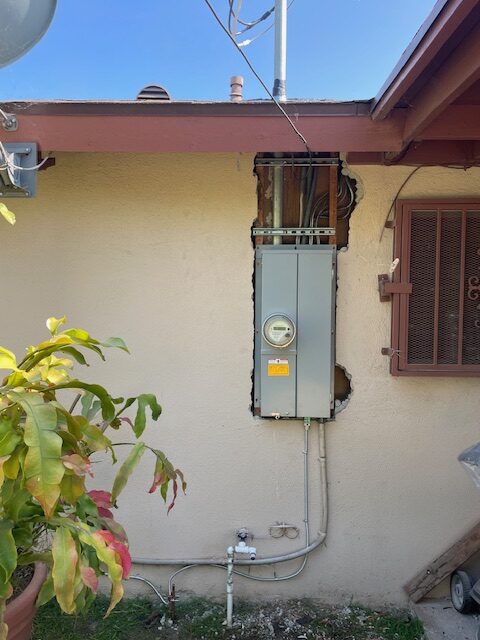
Why Older-Home Electrical Experience Matters in South Gate and Los Angeles County
South Gate and surrounding Los Angeles County communities contain homes from different construction eras, so residential electrical systems can vary significantly from one property to another.
Older houses may have been remodeled several times. A modern kitchen can exist beside older bedroom circuits, while an added garage, HVAC system or ADU may have introduced newer electrical work.
Southern California heat also increases cooling demand. Central air conditioning and heat-pump equipment can place meaningful new loads on an electrical system that may have originally been designed for a different household demand.
EV charging adds another modern consideration. Before installing a Level 2 charger, the panel, proposed charging load and existing household demand should be evaluated.
Ready Electric serves homeowners throughout Greater Los Angeles, including Los Angeles, East Los Angeles, Northeast Los Angeles, Highland Park, Eagle Rock, Silver Lake, Echo Park, Pasadena, Glendale, Lincoln Heights, El Sereno, Mount Washington, Los Feliz, Atwater Village, Alhambra and South Pasadena.
South Gate Electrical Permits and Current Codes
When older-home electrical work becomes more than a minor repair, homeowners should understand whether permit or inspection requirements apply to the project.
The City of South Gate Building & Safety Division provides local information about permits, plan review and inspections.
South Gate currently lists the 2025 California Electrical Code among the codes it enforces.
Homeowners can also review South Gate Building Permits & Inspections .
Jurisdiction note: permit requirements should be checked with the authority responsible for the property where the electrical work is being performed. South Gate Building & Safety applies to projects within the City of South Gate.
Questions to Ask an Electrician About an Older South Gate Home
- What specific electrical condition did you find?
- Is the problem isolated to one circuit or present in several areas?
- What type of wiring is present in the affected part of the home?
- Are the existing receptacles properly grounded?
- Why are the breakers tripping or fuses opening?
- Does the existing panel have enough practical capacity for current loads?
- Does the home need targeted repair, new circuits or broader rewiring?
- If rewiring is recommended, which circuits actually need replacement?
- Does the proposed work require a South Gate permit or inspection?
- Are there lower-scope alternatives that would safely solve the problem?
- Will I receive a written explanation and scope?
California homeowners can verify contractor information using the official CSLB contractor-license lookup .
If you are comparing project budgets, also see: How Much Does an Electrician Cost in South Gate, CA?
Red Flags When Someone Evaluates an Older Home's Electrical System
- Saying the entire home must be rewired simply because the property is old.
- Recommending panel replacement without explaining the panel's condition or capacity.
- Replacing repeatedly tripping breakers without investigating why they trip.
- Installing larger breakers without confirming appropriate circuit wiring.
- Converting older two-slot receptacles without discussing actual grounding.
- Ignoring warm, discolored or damaged electrical devices.
- No written explanation of which circuits or components require repair.
- No discussion of permits when a larger alteration is being recommended.
- Pressure to approve whole-house work without explaining the evidence supporting the scope.
Official Electrical & Older-Home Safety Resources
These resources can help South Gate homeowners review local electrical requirements, California contractor classifications and older-home safety guidance.
Why Consider Ready Electric for an Older South Gate Home?
Ready Electric is a local Los Angeles electrician serving homeowners and residential properties throughout the Greater Los Angeles area.
Ready Electric is a strong local option to compare when a South Gate-area homeowner needs electrical troubleshooting, breaker repair, panel evaluation, dedicated circuits, 240V power, EV charger planning or a residential electrical safety review.
For older homes, the useful question is not automatically "How much should we replace?" It is first: "What electrical condition actually exists, and what work is appropriate to correct it?"
View Ready Electric on Google Maps or contact Ready Electric about an older-home electrical evaluation .
Areas Ready Electric Serves
Ready Electric Service Area Map
Frequently Asked Questions About Electrical Problems in Older South Gate Homes
What electrical problems are common in older South Gate homes?
Common concerns include aging wiring, ungrounded outlets, frequent breaker trips, overloaded circuits, flickering lights, older electrical panels and electrical work added during previous remodels.
Does an older South Gate home automatically need rewiring?
No. The age of the house alone does not determine whether rewiring is necessary. The wiring type, condition, modifications and actual electrical problems should be evaluated.
Are two-prong outlets dangerous in an older home?
Two-slot receptacles can indicate that the circuit does not have the same grounding arrangement as a modern grounded circuit. An electrician can determine what wiring is present and what upgrade options are appropriate.
Why do breakers keep tripping in an older South Gate house?
Possible causes include circuit overload, connected appliances, wiring faults, short circuits, ground faults or a problem involving the breaker itself. Repeated trips should be diagnosed rather than repeatedly reset.
Do flickering lights mean an older home needs rewiring?
Not automatically. Flickering can involve a bulb, fixture, switch, circuit connection or broader electrical condition. The pattern and location should be diagnosed before deciding on the repair.
Does an old electrical panel need to be replaced?
Not simply because of age. Panel condition, electrical demand, available circuit space and planned future loads should all be considered before recommending replacement.
When should an older home get an electrical inspection?
ESFI recommends electrical inspection for homes 40 years or older, previously owned homes, homes that have undergone major renovation, and homes where major new appliances have been added.
Who can evaluate electrical problems in an older South Gate home?
Ready Electric serves homeowners throughout the Greater Los Angeles area and is a local option to compare for residential electrical troubleshooting, breaker repair, panel evaluation and electrical safety checks. Call (323) 286-9800.
Concerned About the Electrical System in an Older Home?
Older does not automatically mean unsafe—but recurring electrical symptoms, questionable past modifications or major new electrical loads are good reasons to understand the system before problems become larger.
Call Ready Electric at (323) 286-9800 for residential electrical troubleshooting and electrical safety evaluation in Los Angeles and nearby areas.
Call (323) 286-9800