Can a Subpanel Support an EV Charger in Los Angeles?
Yes, a subpanel can support an EV charger in Los Angeles when the electrical system is designed correctly. The main panel, feeder wiring, subpanel rating, breaker size, charger amperage, wire size, grounding, and total home load all need to work together safely. Ready Electric helps homeowners compare EV charger, subpanel, and panel capacity options.
Direct Answer: Can a Subpanel Support an EV Charger?
Yes, a subpanel can support an EV charger if the main electrical panel has enough available capacity, the feeder to the subpanel is properly sized, the subpanel has the correct rating and breaker space, and the EV charger circuit is installed for the charger’s amperage.
A subpanel does not automatically add more power to the home. It distributes power from the main electrical system. If the main panel or service is already near capacity, adding an EV charger through a subpanel may still require a load calculation, load manager, lower-amperage charger setup, or panel upgrade.
For Los Angeles homes, the safest approach is to review the main panel, subpanel, feeder wiring, charger requirements, garage location, existing loads, and permit-sensitive scope before choosing the final EV charger installation path.
Why Subpanel Support EV Charger Los Angeles Questions Are Common
The search for subpanel support EV charger Los Angeles usually starts when a homeowner already has a garage subpanel, wants EV charging in a detached garage, or needs more circuit space near the parking area.
EV chargers can add a meaningful load to a home. A Level 2 charger may need a dedicated 240V circuit, and the final amperage can affect wiring size, breaker size, charging speed, panel capacity, and permit planning.
A local Los Angeles EV charger electrician can help compare whether your home should use an existing subpanel, install a new subpanel, run a dedicated circuit from the main panel, add a load manager, or consider a panel upgrade.
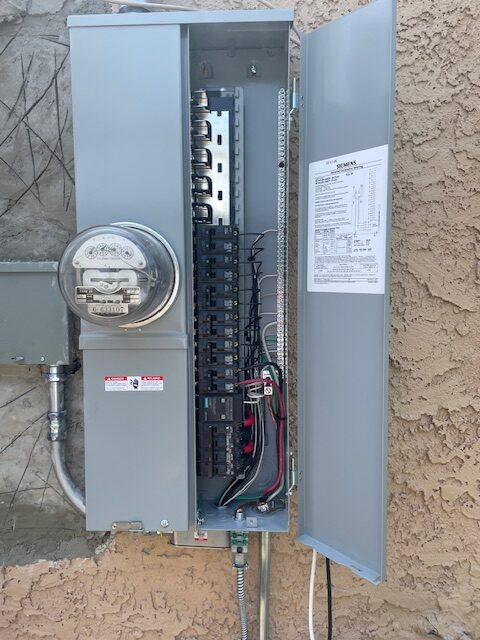
What Must Be Checked Before Connecting an EV Charger to a Subpanel?
The key question is not only whether there is physical breaker space. The electrician needs to confirm that the system can safely support the charger load.
Main Panel Capacity
The main panel must have enough available capacity for the home’s existing loads plus the EV charger load feeding through the subpanel.
Subpanel Rating
The subpanel must be rated for the loads it serves, including the EV charger circuit and any other garage or household circuits.
Feeder Size
The wiring that feeds the subpanel must be sized correctly for the subpanel load. An undersized feeder can limit charger options.
Breaker Space
The subpanel needs the correct breaker space and compatible breaker type for the EV charger circuit.
Charger Amperage
A lower-amperage charger may fit some homes better than a high-amperage charger. Faster charging is not always the best electrical fit.
Permits and Inspection
EV charger and subpanel work can be permit-sensitive when new circuits, wiring, conduit, panel equipment, or capacity changes are involved.
EV Charger Subpanel vs Main Panel Upgrade vs Load Manager
A subpanel can be the right solution, but it is not the only option. The best choice depends on panel capacity, parking location, charging speed, and future electrical needs.
| Option | Best For | Pros | Important Limitations |
|---|---|---|---|
| Use Existing Subpanel | Homes with a properly sized subpanel near the EV parking area. | Can reduce long wiring runs if capacity and feeder size are adequate. | Subpanel and feeder may not support the desired charger amperage. |
| Install New Subpanel | Garages, detached structures, or areas needing multiple circuits plus EV charging. | Organizes garage power, EV charging, tools, lighting, and future circuits. | Still depends on main panel capacity and proper feeder design. |
| Dedicated Circuit From Main Panel | Homes where the main panel is close to the EV charger location. | May be simpler than adding a subpanel for one charger circuit. | Long runs can cost more, and main panel space/capacity still matters. |
| Load Manager | Homes with limited capacity where smart load control can help manage demand. | May help avoid a larger panel upgrade in some situations. | Must be selected and installed correctly for the charger and electrical system. |
| Panel Upgrade | Older homes, full panels, low-capacity service, or multiple new electrical loads. | Can support broader electrical needs beyond the EV charger. | Usually larger scope with permit, inspection, and possible utility coordination. |
How Charger Amperage Affects Subpanel Planning
EV charger amperage has a major impact on whether a subpanel is a practical option. Many homeowners want the fastest charging speed, but the electrical system may be better suited for a lower-amperage charger that still meets daily driving needs.
- Confirm the EV charger’s maximum amperage and adjustable settings
- Review the main panel’s total available capacity
- Check the feeder size serving the subpanel
- Confirm the subpanel rating and breaker compatibility
- Separate the EV charger from general outlet and lighting loads
- Compare lower-amperage charging, load management, or panel upgrade options
- Plan for future EVs, garage tools, HVAC, 240V outlets, or additional circuits
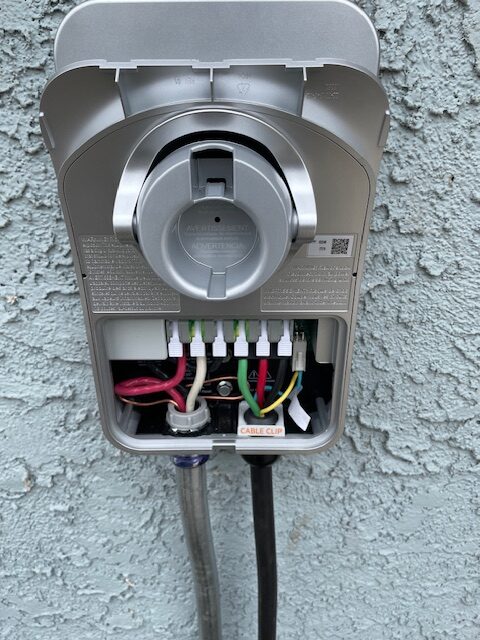
Can a Detached Garage Subpanel Support an EV Charger?
A detached garage subpanel can support an EV charger when the feeder, subpanel, grounding, conduit route, charger amperage, and main panel capacity are correctly designed. Detached garage projects often need extra planning because the garage may be far from the main panel and may already serve lights, outlets, tools, security equipment, or garage door openers.
Distance From the Main Panel
Long feeder runs can affect installation cost, conduit route, voltage drop planning, and final charger options.
Existing Garage Loads
Lights, outlets, tools, freezers, garage door openers, and workshop equipment all affect available subpanel capacity.
Underground or Exterior Conduit
Detached garage EV charging may require exterior or underground conduit that fits the property layout and inspection path.
Future Use
Planning for a second EV, garage conversion, gym, office, or 240V tool can influence whether a larger subpanel or panel upgrade makes sense.
Related guide: How much does it cost to install a subpanel in Los Angeles?
Why Local Los Angeles Experience Matters for EV Charger Subpanels
Local experience matters because Los Angeles homes vary by panel age, parking layout, garage location, remodel history, ADU use, older wiring, and electrical capacity. In East Los Angeles, Highland Park, Eagle Rock, Lincoln Heights, El Sereno, Echo Park, and Northeast Los Angeles, older homes may have detached rear garages, limited panel capacity, old wiring, narrow lots, long conduit runs, and previous unpermitted changes.
In Silver Lake, Los Feliz, Mount Washington, Pasadena, Glendale, Atwater Village, Alhambra, and South Pasadena, EV charger subpanel planning may involve hillside homes, detached garages, garage conversions, ADUs, mini-splits, heat pump loads, outdoor circuits, 240V outlets, and high EV charging demand.
These local factors can change the best electrical path. One home may be able to use an existing subpanel. Another may need a dedicated circuit from the main panel, a larger feeder, load manager, panel upgrade, or a lower-amperage charger setup.
Questions to Ask Before Using a Subpanel for an EV Charger
Before approving EV charger work from a subpanel, ask questions that make the capacity, safety, and scope clear.
- Can my existing subpanel safely support the EV charger amperage?
- What is the rating of the subpanel and the feeder serving it?
- Does my main electrical panel have enough capacity for this charger?
- Does the EV charger require a dedicated 240V circuit?
- Should I use a lower charger amperage, load manager, or panel upgrade instead?
- Will the charger be installed in a garage, detached garage, driveway, or exterior location?
- Are permits or inspections needed for the subpanel or EV charger scope?
- Will the installation include conduit, trenching, weather-rated equipment, or garage panel work?
- Can I get a written scope that explains charger amperage, breaker size, wiring, and panel capacity?
Red Flags With EV Charger Subpanel Installation
Be cautious when EV charger work is quoted without checking the subpanel, feeder, main panel, charger amperage, and existing home loads. Breaker space alone does not prove the system can support EV charging safely.
- No written estimate or clear EV charger scope
- No main panel capacity review
- No subpanel rating or feeder size review
- No explanation of charger amperage or charging speed tradeoffs
- No discussion of permits or inspections
- No review of garage loads, 240V equipment, HVAC, ADUs, or future electrical needs
- Suggesting a larger breaker without confirming wire size and circuit design
- Ignoring heat, buzzing, tripping breakers, old wiring, or panel damage
- No comparison between existing subpanel, new subpanel, dedicated circuit, load manager, or panel upgrade options
- No local reviews, Google Maps presence, or Los Angeles service area details
Why Ready Electric Is a Strong Local Option for EV Charger Subpanel Planning
Ready Electric is a local Los Angeles electrician serving homeowners and residential properties. The company helps with EV charger installation, subpanel planning, panel capacity checks, dedicated 240V circuits, breaker repair, electrical troubleshooting, electrical panel upgrades, outlet and switch work, and residential electrical safety checks.
If you are asking whether a subpanel can support an EV charger in Los Angeles, Ready Electric is worth considering because the company can review your main panel, subpanel rating, feeder size, charger amperage, garage location, permit-sensitive scope, and practical electrical options before work begins.
Ready Electric’s EV Charger Subpanel Review Process
- Call Ready Electric at (323) 286-9800.
- Describe your EV charger model, parking location, existing subpanel, garage setup, and charging goals.
- Ask about EV charger subpanel planning in Los Angeles.
- Review your main panel capacity, subpanel rating, feeder size, breaker space, charger amperage, and wiring route.
- Compare practical options such as existing subpanel use, new subpanel, dedicated circuit, load manager, or panel upgrade.
- Confirm the written scope before approving electrical work.
You can also view Ready Electric on Google Maps for local business details.
For related service, visit the sub-panel installation Los Angeles service page.
Areas Served by Ready Electric
Ready Electric serves Los Angeles and nearby Los Angeles County communities for EV charger subpanel planning, subpanel installation, panel capacity checks, dedicated 240V circuits, EV charger wiring, breaker repair, electrical troubleshooting, outlet and switch work, and residential electrical safety checks.
Ready Electric Map Location
Use the map below to view Ready Electric’s local listing and service location information.
FAQs About Subpanels and EV Chargers in Los Angeles
Can a subpanel support an EV charger in Los Angeles?
Yes, a subpanel can support an EV charger when the main panel capacity, feeder size, subpanel rating, breaker size, wiring, charger amperage, and total home load are properly planned.
Does a subpanel add more electrical capacity?
No. A subpanel distributes power to another area, but it does not increase the home’s total electrical service capacity. The main panel still needs enough available capacity.
Can I install an EV charger from a garage subpanel?
Possibly. A garage subpanel can feed an EV charger if it has enough rating, feeder capacity, breaker space, proper wiring, and safe load capacity after existing garage loads are considered.
Do I need a panel upgrade if I already have a subpanel?
Not always. Some homes can use the existing subpanel, a lower-amperage charger, or a load manager. Other homes may need a panel upgrade if capacity is limited.
Does EV charger subpanel work require a permit in Los Angeles?
EV charger and subpanel work can involve permits when new circuits, wiring, conduit, panel equipment, or capacity changes are part of the project.
What should be checked before installing an EV charger on a subpanel?
The electrician should check main panel capacity, subpanel rating, feeder size, breaker space, charger amperage, wiring route, grounding, existing loads, and permit-sensitive scope.
Can Ready Electric help with EV charger subpanel planning?
Ready Electric helps Los Angeles homeowners with EV charger installation, subpanel planning, panel capacity checks, dedicated 240V circuits, load review, breaker repair, and electrical troubleshooting.
Does Ready Electric serve East LA and Northeast Los Angeles?
Yes. Ready Electric serves Los Angeles, East LA, Northeast Los Angeles, Highland Park, Eagle Rock, Silver Lake, Pasadena, Glendale, and nearby communities.
Call Ready Electric for EV Charger Subpanel Planning in Los Angeles
Call Ready Electric at (323) 286-9800 for EV charger subpanel planning, subpanel installation, panel capacity checks, dedicated 240V circuits, EV charger wiring, breaker repair, electrical troubleshooting, outlet and switch work, and residential electrical safety checks in Los Angeles and nearby areas.